
Missions
Philosophy of Missions: Our philosophy of missions is based on the Scriptural conviction that God is on a mission to redeem his people from every tribe, nation, and tongue for his glory. In God’s sovereign plan, he has called local churches to live in obedience to his mission locally, as well as identify, train, send, and support biblically qualified missionaries to all nations, especially where Christ is unknown.
Our Partners
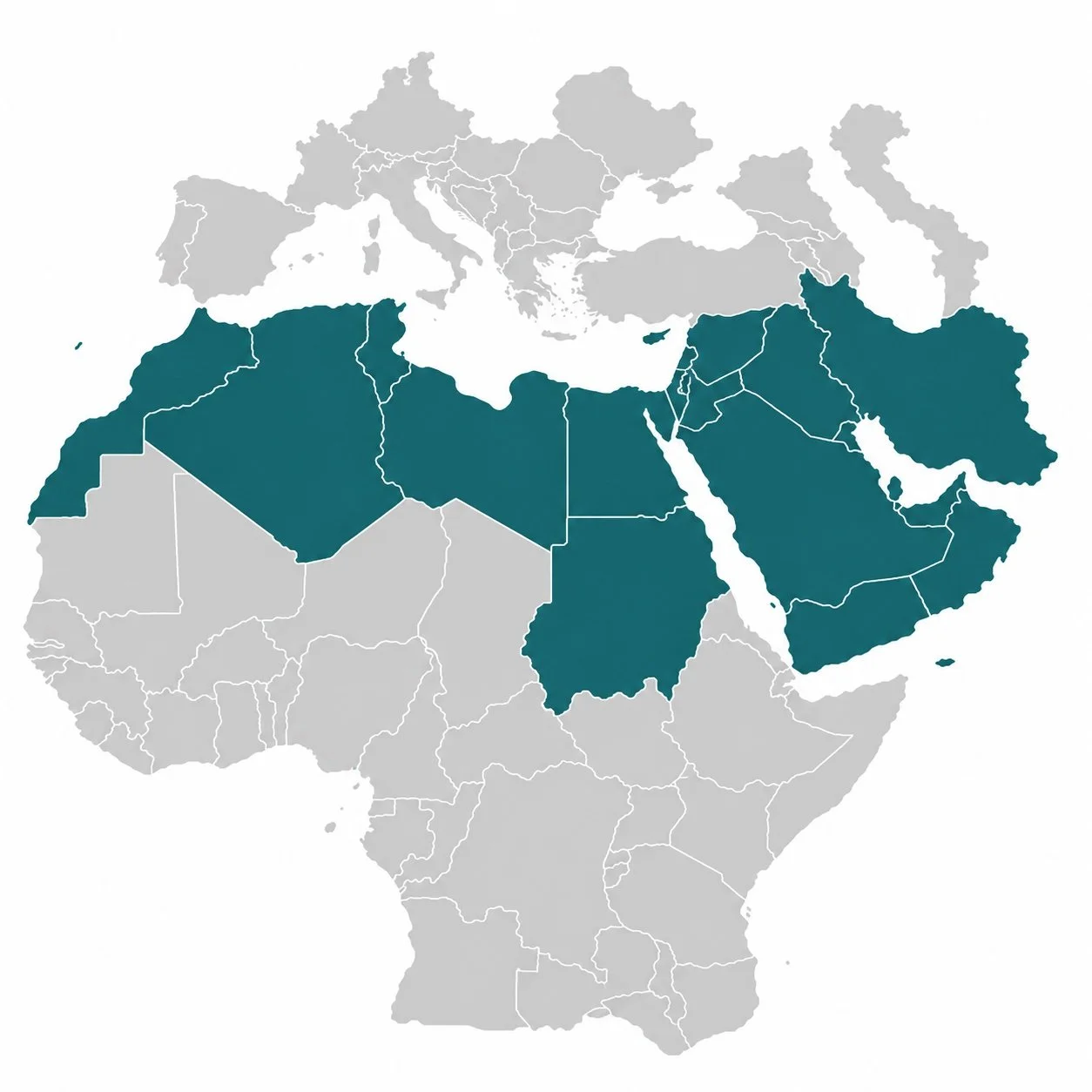
-
Our family (P, G, and E) is committed to making disciples of Jesus Christ among the nations through church planting, evangelism, and the training of local leaders. Driven by Christ’s command to “make disciples of all nations… teaching them to observe all that I have commanded you” (Mt. 28:19–20), we desire to see healthy, biblical churches established and strengthened for the glory of God through discipleship, leadership development, and partnership with local believers. As a family, we count it a privilege to serve together, trusting the Lord to build His Church among the nations (Mt. 16:18).
Our prayer is that God would raise up mature disciples and faithful leaders who will faithfully teach others to obey Christ’s commands and proclaim His gospel for generations to come, so that people from every tribe, tongue, and nation might worship Him.
Give here to support P and G.

-
The RTIM Mission: We seek to advance the gospel by partnering with local churches as they send qualified missionaries to make mature disciples, establish healthy churches, and train local leaders around the world.

Missiological Affirmations
We believe the Bible has a theology of missions
God desires that all nations would be saved, and this is clear throughout the whole Bible, but specifically through the covenants with Adam (Gen. 3:15), Abraham (Gen. 12:1-3), Moses (Ex. 19:5-6), David (2 Sam. 7:8-16), and culminating in the New Covenant with the coming of Christ (Matt. 1:1) and the Commission given by Christ (Matt. 28:18-20).
We believe that missions must be a church-centered task
Missionaries are raised up and sent out from the local church to plant and develop local churches by the power of the Spirit and through the finances, faithful prayers, and support of the sending and partnering churches.
We believe that missions is the unified work of the whole church
The whole church is called to support the mission prayerfully, financially, and practically. Every member should be involved in strategic prayer for the missionaries and the work they are participating in. They also are called to financially and practically support people who go out for the sake of the Name (3 Jn. 8). The missionary is unable to advance the gospel and plant churches well without the support of the whole sending church.
We believe that missionaries need to be members of a local church
Missionaries need to be members of a local church, wherever they find themselves, for their own spiritual health and accountability. They, too, need to be encouraged in the faith through the preaching of the Word, the sacraments, and weekly fellowship. This may be an international church, a national church, or one made up of missionary teammates.
We believe the missionary should be sent through the local church
Following the biblical pattern, Trinity participates in missions by identifying, training, sending, and supporting our own missionaries, as well as supporting those sent from other like-minded local churches (Acts 13:1-3; Rom. 15:20; 3 Jn. 8).
We believe that missionaries must be planting and developing healthy churches
Wherever Paul went, he not only proclaimed the gospel and baptized new disciples, but also gathered those disciples into local churches and appointed elders to shepherd and teach them (Acts 14:23; Tit. 1:5). For this reason, we commit to send and support missionaries who aim to plant and develop healthy churches abroad.
We believe that international parachurch organizations supplement the work of local churches
Due to the challenging nature of international missions work, parachurch organizations such as missions agencies and training centers can play an invaluable role in assisting local churches to prepare, send, and support missionaries well.
We believe in prioritizing sending and supporting missionaries where there is little or no access to the gospel
In Romans 15:19-21, Paul is communicating that he is not just an evangelist; he’s a pioneer missionary. Paul’s ambition is to preach the gospel where there is no evangelizing church. In so doing, Paul sets forth a missionary pattern for the local church today: to go where Christ is not known, laboring to see disciples made and healthy gospel-preaching churches planted and developed.